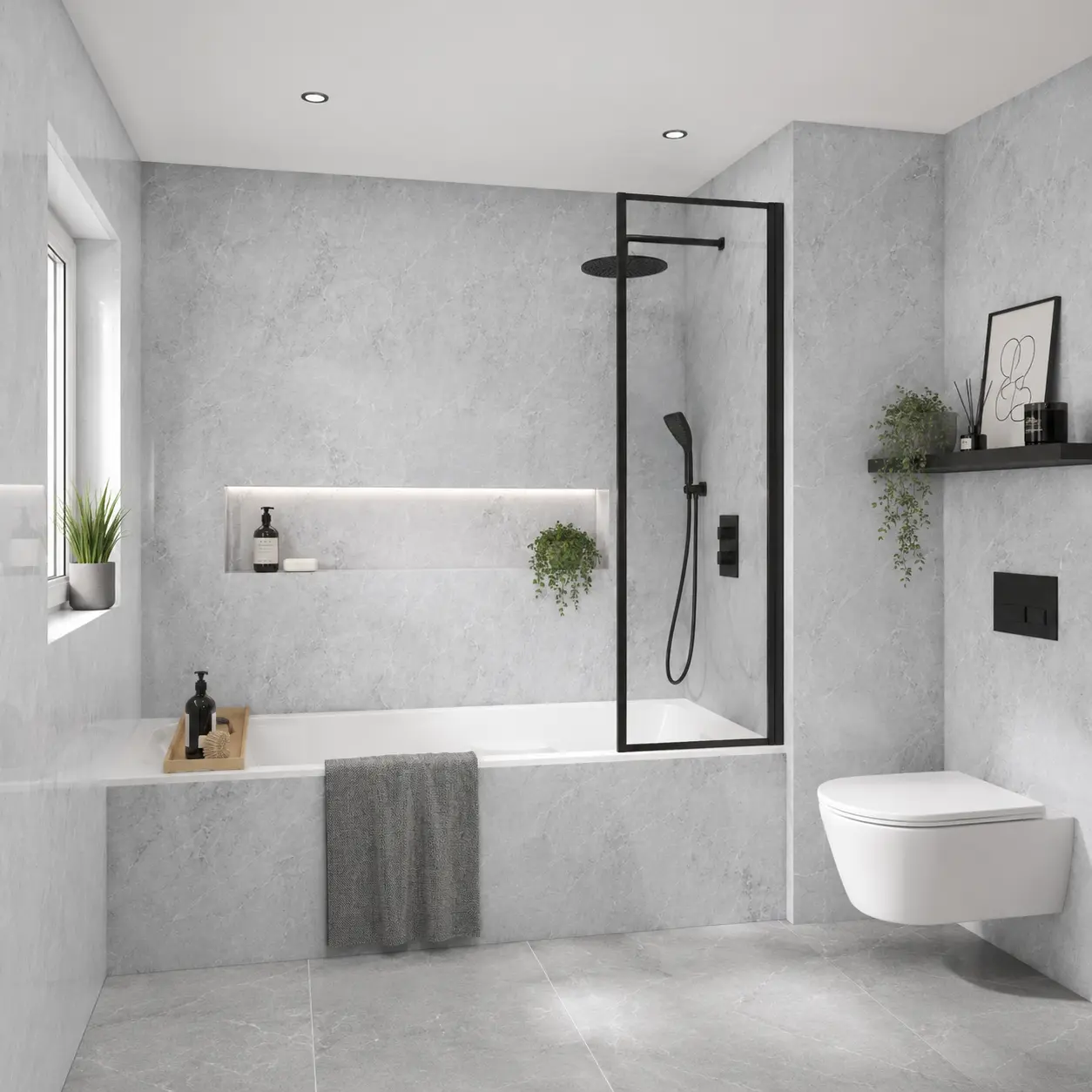
Check the Chosen Panel Instructions First
Some bathroom panel systems allow fitting over existing tiles, but that does not make it suitable for every room or board. The instructions for the exact panel and adhesive decide what surfaces are acceptable. Ask the fitter to name the range and explain the preparation it requires. A general promise that wet wall covers anything is not enough. Keeping sound tiles can avoid unnecessary removal, but only when the existing wall and the proposed connections work together. The decision should follow a check of your bathroom, rather than a rule borrowed from a different product.
Find Out Whether the Tiles Are Firmly Fixed
The new finish depends on what is holding the old surface in place. Loose tiles, cracked areas or movement need investigation before they are covered. A tile that sounds hollow may need a closer check, but a sound alone does not give a complete diagnosis. Tell the installer about anything you have noticed and let them assess the wall. Do not assume adhesive behind a new panel will secure failing material underneath. If the tiled surface cannot provide the base the system needs, removal or repair may be part of the necessary preparation.
Deal with Leaks and Damp Before Covering
Repeated staining, a swollen cupboard or water outside the shower may point to a problem beyond the visible tile face. Explain when it happens and whether previous repairs have helped. Panels should not be used to hide an active leak or damp damage. The fitter may need access behind the old finish to understand the cause. Ask how any repair will be shown and priced before extra work starts. A new decorative surface can make the room look better immediately, but it cannot fix a leaking pipe or damaged wall simply by covering it.
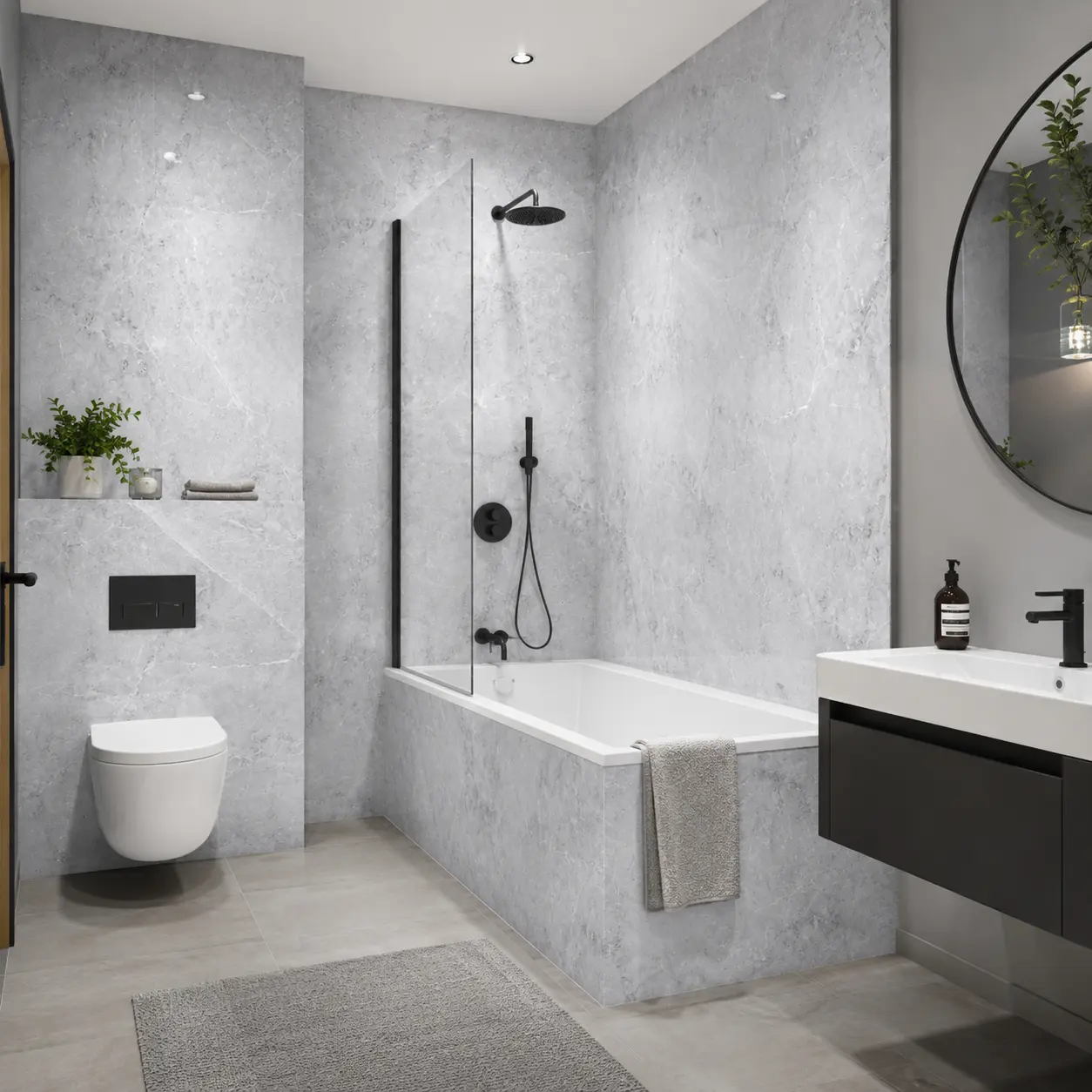
Check the Wall Shape and Surface
Corners, raised tile edges and uneven areas affect how a board sits. The panel system may need a flatter surface or a particular preparation method. Ask which parts will be cleaned, repaired or levelled before fitting. Old soap residue, loose silicone and unsuitable coatings can also affect the fixing method. Follow the product instructions rather than a generic online shortcut. The quote should describe this preparation so keeping the tiles is not mistaken for doing no work to the wall. A firm tiled surface still needs to be suitable for the selected adhesive and panel arrangement.
Allow for the Added Wall Thickness
Panels and their fitting method bring the finished wall further into the room. That extra depth can affect a bath screen, shower controls, window edges and the gap beside a vanity. Ask how those details will be adjusted before deciding to keep the tiles. In a compact bathroom, even a small change can matter where fittings are already close together. The panel itself may be inexpensive while alterations around it add work. Compare the complete result, including exposed edges and usable space, rather than choosing solely to avoid taking the tiles off.
Plan the Lower Edges and Corners
The connection beside a bath or shower tray needs to follow the chosen panel system. Existing silicone may need removing, and a screen or fitting may need taking off to provide access. Ask how the panel will meet the bath edge and how corners are sealed. A fresh bead on the visible face is not a substitute for any other required detail. If the bath moves or the old seal keeps splitting, that cause needs checking too. Keeping the tiled wall should still allow the installer to complete the intended connection properly.
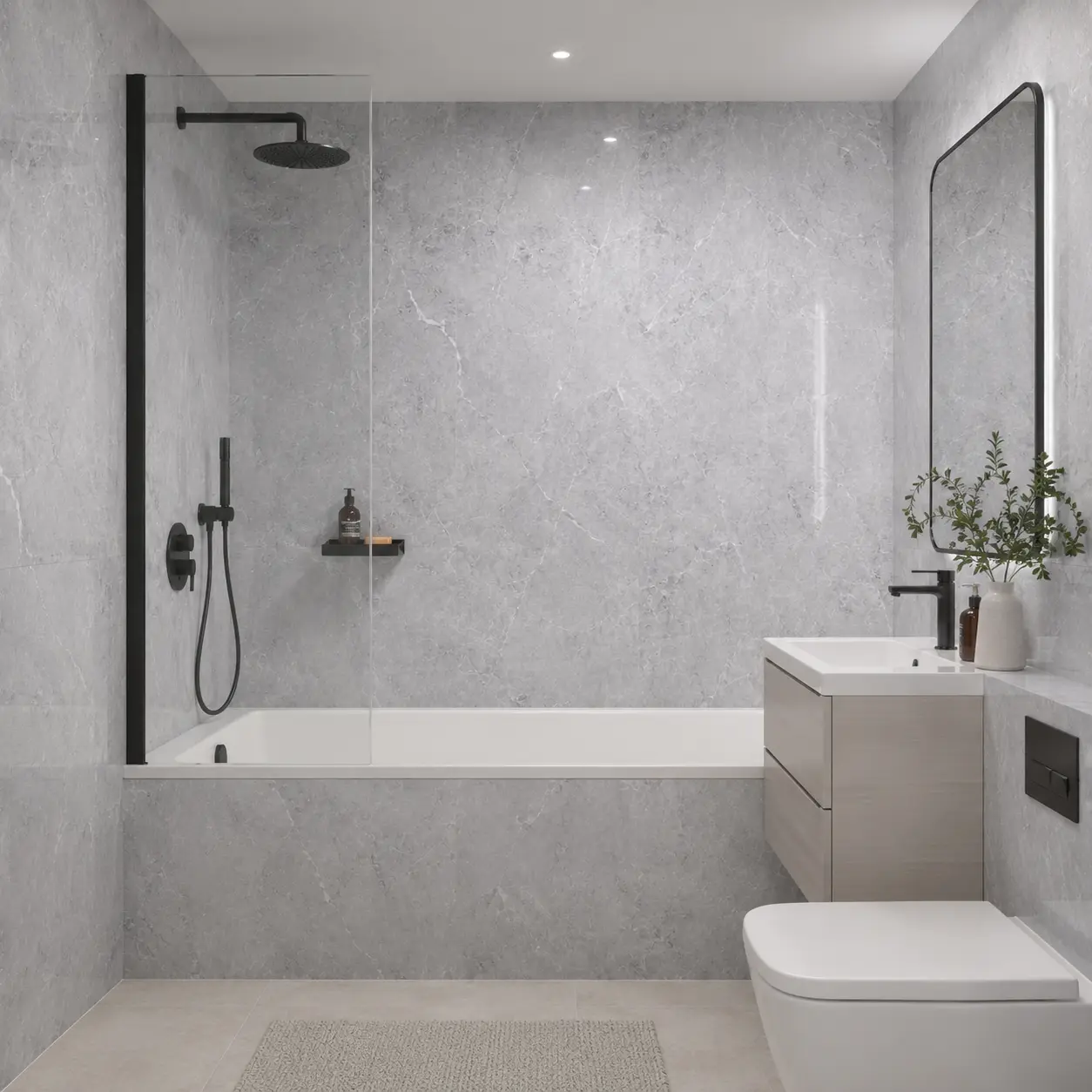
Know When Removal Is the Better Option
Tiles may need to come off because they are loose, the wall needs repair or the new product does not permit fitting over them. Removal can also provide access for pipe changes or support behind a screen, rail or cupboard. Ask why it is recommended for your room and what follows afterwards. It is useful to understand the reason rather than assuming removal is either always necessary or always an avoidable cost. If both methods are practical, compare the preparation, finished wall position and total price before agreeing which approach to use.
Put the Agreed Method in the Quote
The written plan should name the panel range, the walls being covered and the preparation being done. Include trims, screen removal or refitting, changes around controls and waste disposal where needed. Ask what happens if work reveals a problem that could not be seen earlier. Keep the product information with the quote so there is a clear record of why the existing surface was considered suitable. If you later change the board range, check whether the same method still applies. A different panel can bring different requirements even when its colour looks almost identical.
Use a Home Check to Make the Decision
Photographs are useful for explaining the layout, but they cannot establish hidden wall condition or confirm how well every tile is fixed. Arrange for the room and selected product to be checked before ordering on the assumption that the tiles can stay. Point out previous leaks, loose fittings and difficult corners. The useful outcome is a clear answer for your bathroom: keep the sound tiles with the required preparation, or remove them so repairs and fitting can be completed properly. Either can be sensible when the reason and complete work are explained.