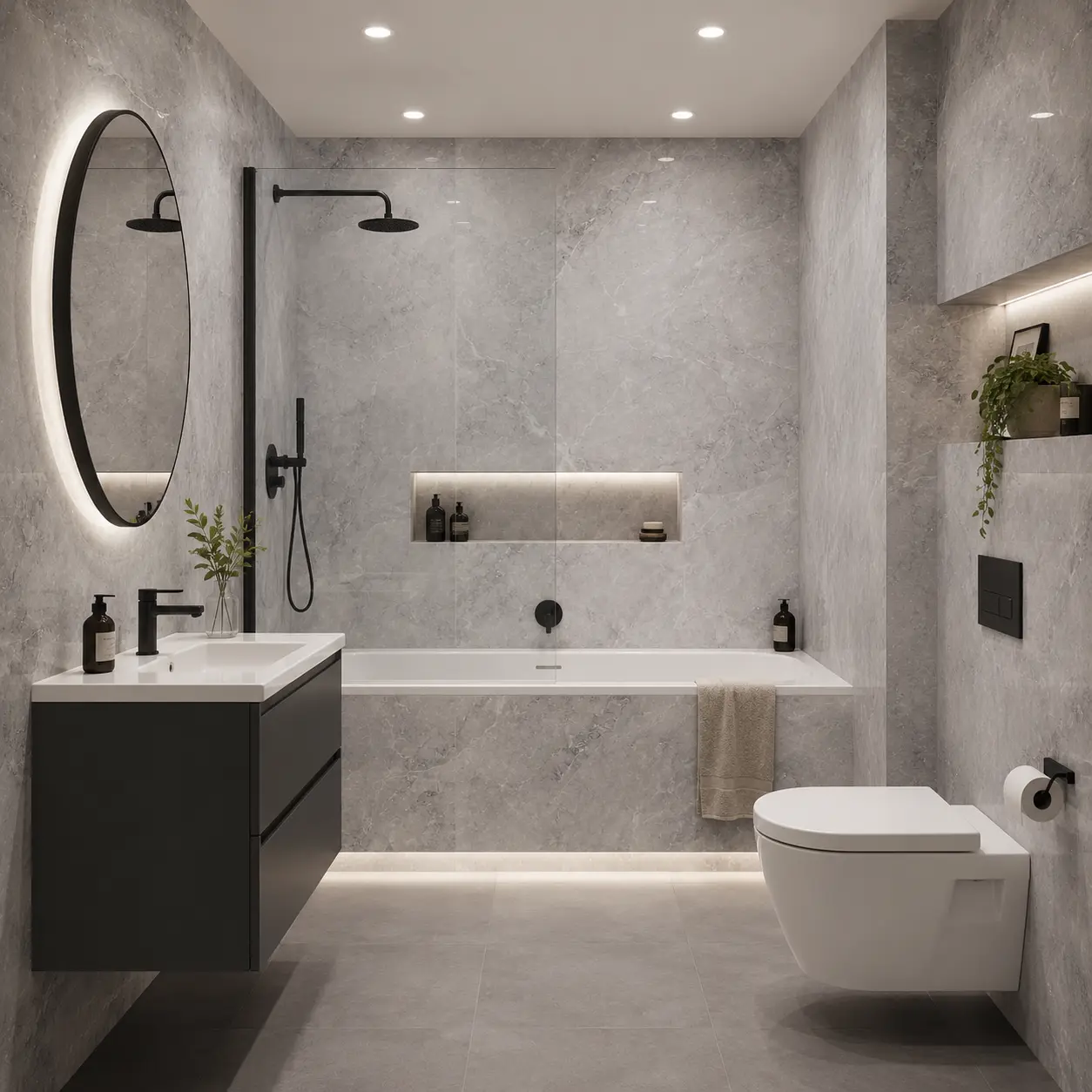
Start with the Work You Want Priced
A bathroom price is useful only when you know what it buys. Replacing panels inside an existing shower is a different job from taking out the bath, changing the floor and fitting a new suite. Write down which parts you want replaced and which you hope to keep. Include problems such as a leaking screen, poor storage or loose tiles. These details give the fitter a starting point for the quote. A room photograph can help explain the layout, but measurements and the condition of the walls still need checking before the work is agreed.
Count the Walls as Well as the Floor Area
A small bathroom does not always need a small number of boards. Wall height, windows, corners and the amount of panelling all affect quantities. Covering only the shower usually needs fewer boards than continuing the finish behind the toilet and basin. Ask which walls are included and how high the panels will go. The fitter also needs to allow for cuts and the product’s board sizes. A window opening does not necessarily save a whole panel. Comparing the same walls and heights keeps two quotes useful, even when the suppliers use different sheet dimensions.
Find Out What Removal Includes
The old wall finish, screen and fittings may need removing before preparation can begin. Ask whether taking them out and disposing of the waste are included. If a bath or vanity is staying, find out how it will be protected and whether it needs moving temporarily. Removing old tiles can expose repairs that were not visible during the visit. The quote should explain how those findings will be shown and priced before extra work goes ahead. A low total that leaves removal to you may be quite different from a price covering the complete job.
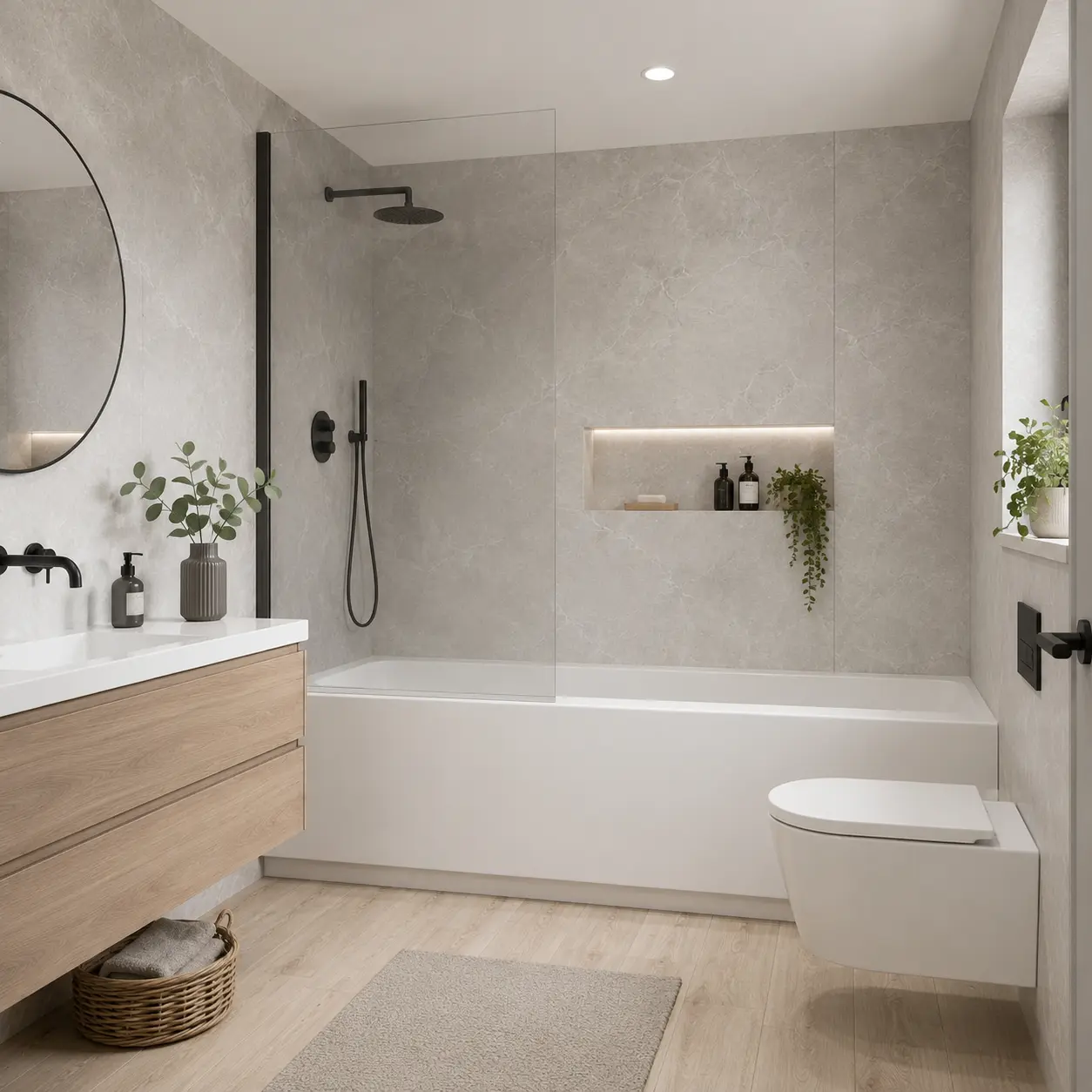
Allow for Wall and Floor Repairs
New panels need a suitable surface behind them. Loose plaster, damaged flooring or a leak may require work before fitting. Tell the contractor about previous water damage, repeated seal repairs or areas that move. Ask what preparation is already included and what cannot be confirmed until the old finish comes off. This does not mean accepting an unexplained extra charge. It means agreeing how a real problem will be assessed and approved if found. Choosing a cheaper decorative board will not solve damage underneath it, so preparation belongs in the budget from the beginning.
Check the Cost of Moving Bathroom Fittings
Keeping the toilet, basin and shower near their current positions can reduce the amount of pipework being changed. Moving them may improve an awkward room, but ask what work is needed behind the walls or under the floor. The benefit should be clear, such as easier shower access or space for a vanity. Check whether electrical changes, ventilation and repairing surfaces disturbed by the work are included too. A drawing of the new layout helps you compare the improvement with its cost instead of discovering later that the fitting price assumed everything would remain in place.
Compare Named Products
Panel ranges, taps, screens, furniture and flooring vary in price and fitting requirements. Ask for the actual products or a clearly described allowance for anything still undecided. A phrase such as luxury suite does not tell you the size of the vanity or the shower being supplied. Include trims, adhesive and seals in the panel comparison. A lower board price can be offset by more joints or extra work around a window. Compare complete choices that fit your room, then decide which differences matter enough to you to justify spending more.
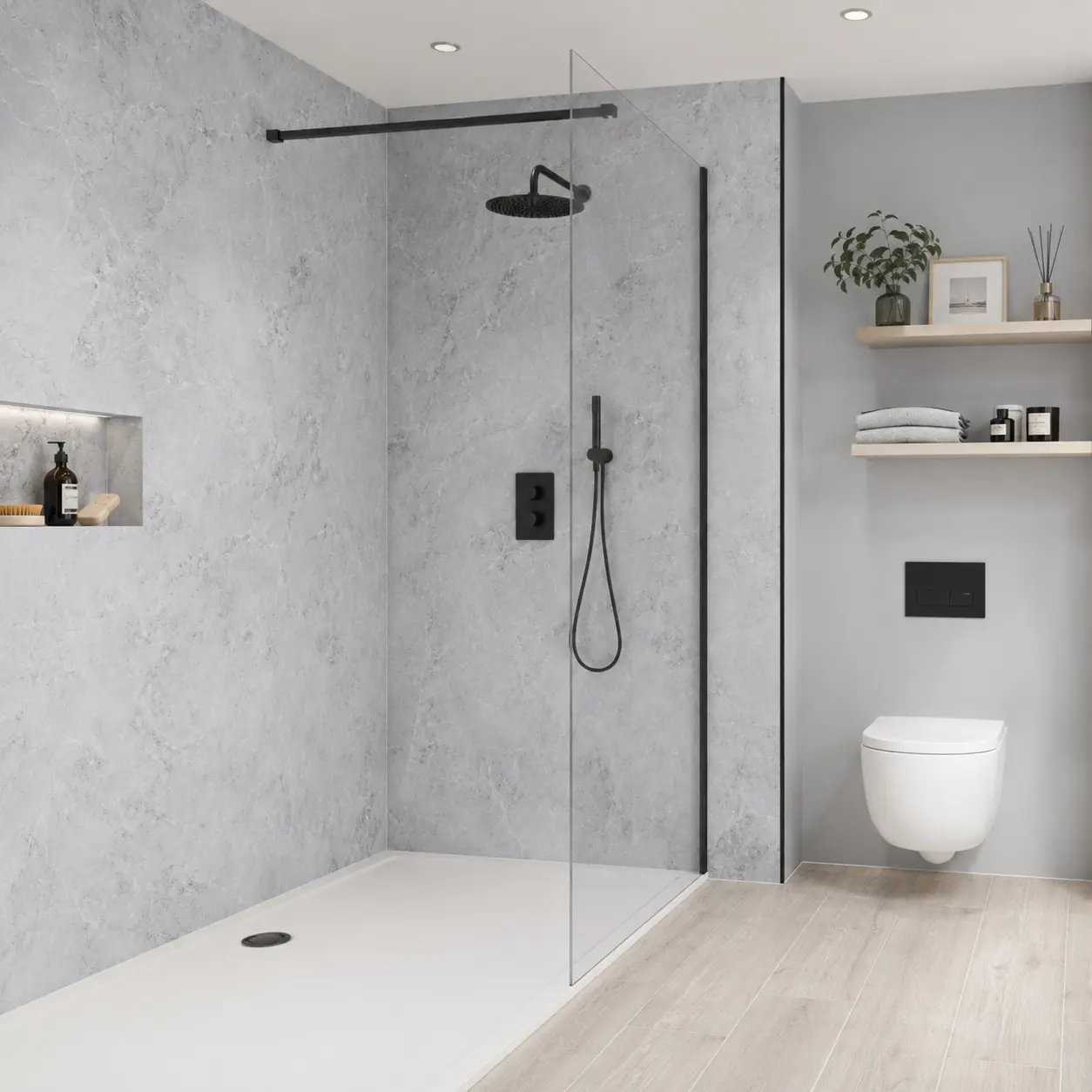
Prioritise Improvements You Use Every Day
A useful cupboard, better shower entry or working extractor may matter more than a stronger marble pattern. Make a short list of essential changes and a separate list of optional finishes. If the total is too high, ask which choices can change without leaving necessary preparation or safe fitting unfinished. You might keep a working bath, choose simpler panels or reduce unnecessary layout changes. Avoid cutting the budget by leaving the job unclear. The revised quote should still say exactly what will be supplied, fitted, removed and finished for the amount you agree.
Check Payments and Anything Left Out
Ask when payments are due, what each payment covers and how changes are agreed. Check whether the total includes applicable taxes, delivery and waste disposal. Find out which products or trades, if any, you must arrange yourself. If an item has an allowance because it has not been chosen, ask what that allowance buys and how a different choice affects the price. Keep the answers with the quote. You should be able to explain the complete cost in ordinary language rather than relying on a package name or assuming small print will cover missing work.
Request a Quote You Can Compare
Send your Kilmarnock postcode, describe the room and say whether you want panels only or a wider bathroom refit. Bring your priorities and any known problems to the discussion. Once the room and products have been checked, compare written quotes for the same job. Ask about any unclear difference before deciding. There is no useful universal price for every bathroom because preparation and product choices vary. A clear quote gives you a firmer basis: the work your room needs, the products you have chosen and the cost of having them fitted.